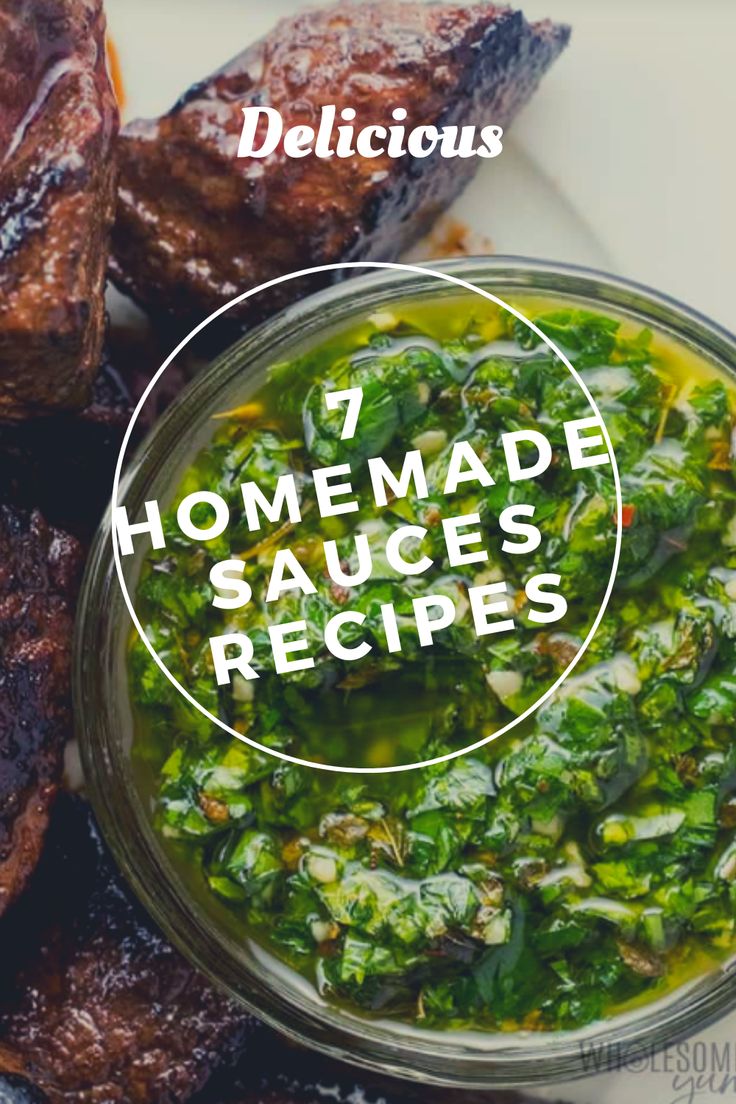
Argentinian chimichurri sauce is more than just a condiment; it's a vibrant, herbaceous symphony that elevates almost any dish it graces. While the classic green version is beloved worldwide for its fresh, piquant kick, there's a revolutionary twist emerging from the culinary scene that promises an even deeper, more complex flavor profile: the Smoky Burnt Spring Onion Chimichurri. This innovative chimichurri recipe takes the traditional "Salt, Fat, Acid, Heat" mantra and adds a crucial fifth element: Smoke. Get ready to transform your culinary repertoire with this versatile, flavor-packed sauce.
The Magic of Chimichurri: A Culinary Game-Changer
Hailing from the vast pampas of Argentina, chimichurri is an essential part of the country's culinary identity, typically served alongside grilled meats (asado). Its core appeal lies in its ability to cut through richness, awaken the palate, and add a burst of freshness. Traditionally, it's a rustic blend of finely chopped parsley, garlic, oregano, red pepper flakes, olive oil, and red wine vinegar. It’s a sauce that, while simple in its components, delivers an explosion of taste.
Our focus here, however, ventures beyond the classic, introducing a smoky variation that adds an entirely new dimension. Imagine the familiar brightness of fresh herbs and acidity, but underpinned by a subtle, earthy smokiness and a mellow, sweet onion essence. This chimichurri recipe isn't just about adding flavor; it's about adding depth, complexity, and a unique character that sets it apart. It’s particularly adept at harmonizing with and balancing out rich, fatty dishes, offering a sophisticated counterpoint that leaves you craving more.
For those curious about the nuances between the traditional and this innovative twist, we delve deeper into the distinctions in our comparison: Classic Green Chimichurri vs. Smoky: Which Argentinian Sauce Is For You?
Crafting the Perfect Smoky Chimichurri: Your Step-by-Step Guide
The star of this particular chimichurri recipe is undeniably the burnt spring onion. Often overlooked in its cooked form, the spring onion, when charred, transforms from a pungent raw vegetable into a tender, sweet, and smoky delight. It strikes a beautiful balance between a mild leek and a stronger onion, offering both sweetness and a delicate kick. Beyond its flavor, spring onions are a fantastic source of folate and Vitamin C, contributing to overall well-being and even a happy mood boost!
Ingredients for Your Burnt Spring Onion Chimichurri:
- 2 bunches of spring onion (approx. 200g): The foundation of our smoky flavor. Look for firm, vibrant green and white stalks.
- 20g fresh parsley: Provides the essential herbaceous backbone and vibrant green color. Flat-leaf parsley is usually preferred for its robust flavor.
- 2 rosemary sprigs: Adds a beautiful, fragrant, woody note that complements the smokiness. Only the needles are used.
- 1 lime, juiced: Delivers the crucial acidic brightness to cut through richness and awaken the palate.
- 1 Tbs apple cider vinegar: Contributes a complex, fruity acidity and depth that differs from lime juice alone.
- 1/2 tsp chilli flakes: Offers a gentle warmth and subtle heat, easily adjustable to your preference.
- 1 Tbs Extra Virgin Olive Oil (EVOO): Binds the ingredients, carries flavors, and adds a luscious mouthfeel. Use good quality for best results.
- 2 pinches of sea salt: Essential for seasoning and enhancing all other flavors.
- Freshly ground black pepper: To taste, adding a pungent aromatic kick.
Step-by-Step Method to Unleash Smoky Flavor:
- Charring the Spring Onions: This is the pivotal step.
- Gas Hob Method: If you have a gas hob, use tongs to place the spring onions directly onto the flame. Turn them occasionally until the outer layers are completely blackened and charred. This direct heat imparts the most intense smoky flavor. Be careful and ensure good ventilation.
- Oven Roasting Method: Alternatively, lightly coat the spring onions with a drizzle of olive oil. Lay them flat on a baking tray and roast in a preheated oven at 200°C (390°F) until they are deeply browned and tender all over. While less intensely smoky than the flame method, this still develops a wonderful caramelized flavor.
- Peeling and Chopping: Once cooled, gently peel away the fully burnt outer layer from the spring onions. Don't worry if a little char remains; it adds to the flavor. Discard the roots, then roughly chop the cooked spring onions into small, manageable chunks.
- Herb Preparation: Pluck the needles from the rosemary sprigs. Finely chop these rosemary needles along with the fresh parsley. The finer the chop, the more evenly distributed their aromatic oils will be throughout the sauce. While a food processor can speed this up, hand-chopping your aromatics often yields a more fragrant and textured sauce, as highlighted in classic chimichurri recipes.
- Mixing and Seasoning: In a medium bowl, combine the chopped spring onion and herbs with the lime juice, apple cider vinegar, chilli flakes, Extra Virgin Olive Oil, sea salt, and black pepper. Stir well to thoroughly combine all the ingredients.
- Taste and Adjust: This is crucial! Taste the chimichurri and adjust the seasoning as needed. You might want more salt, a touch more acidity from lime or vinegar, or an extra pinch of chilli flakes for more heat. Everyone's palate is different, so make it your own!
- Rest and Serve: Set the chimichurri aside for at least 15-30 minutes before serving. This allows the flavors to meld and deepen beautifully. It can be stored in an airtight container in the fridge for at least 3 days, often improving in flavor overnight.
Elevate Every Meal: Versatile Uses for Your Chimichurri
The beauty of chimichurri, especially this smoky variation, lies in its incredible versatility. It's a true culinary workhorse that can transform simple ingredients into extraordinary meals. Its ability to cut through richness and add a bright, herbaceous lift makes it perfect for a wide array of dishes:
- Grilled & Roasted Meats: This is its quintessential pairing. Spoon generously over grilled steak, chicken, pork, or lamb. The smoky notes of the sauce perfectly complement the char of the meat. Use it as a marinade for chicken, allowing the flavors to penetrate and intensify during cooking, then drizzle fresh chimichurri just before serving for a vibrant finish.
- Seafood: Drizzle over grilled fish like salmon or cod, or serve alongside seared scallops for a fresh, zesty contrast.
- Eggs: A dollop on an omelette, scrambled eggs, or a fried egg breakfast instantly elevates your morning meal.
- Vegetables: Toss with roasted potatoes, grilled asparagus, or steamed green beans. It also makes a fantastic dressing for a hearty warm salad.
- Tacos & Sandwiches: Use it as a vibrant salsa or spread in your next taco night or as a delicious alternative to mayo in a sandwich or wrap.
- Pies & Pastries: A unexpected but delightful addition to savory pies, especially those with rich, meaty fillings.
- Beyond the Plate: Stir into plain rice or quinoa for a flavorful side dish, or even use it as a base for a unique pizza sauce.
This smoky, burnt spring onion chimichurri is particularly exceptional with any "fatty element" due to its powerful combination of acid, heat, and smoke, which effectively balances and cuts through richness, enhancing the overall dining experience. Discover more innovative applications and pairing ideas in our article: Smoky Burnt Spring Onion Chimichurri: A Flavorful Argentinian Twist.
Tips for Success & Customization
- Quality of Ingredients: Always use the freshest possible herbs and a good quality Extra Virgin Olive Oil. These make a noticeable difference in the final taste of your homemade chimichurri recipe.
- Adjusting Heat: The amount of chilli flakes can be adjusted to your personal preference. For more heat, add more; for less, reduce or omit entirely.
- Acidity Balance: If you find the sauce too sharp, a tiny pinch of sugar can help balance the acidity, or you can add a bit more olive oil. If it needs more zing, an extra squeeze of lime or a splash of vinegar will do the trick.
- Herb Variations: While parsley and rosemary are key here, a little fresh oregano can also be a wonderful addition, keeping in line with classic chimichurri flavors.
- Storage Enhances Flavor: While delicious immediately, the flavors of this chimichurri deepen and meld beautifully after a few hours or even overnight in the fridge. Always store it in an airtight container.
- Textural Preference: For a smoother sauce, you can pulse it briefly in a food processor, but be careful not to over-process it into a paste. The charm of chimichurri often lies in its rustic, finely chopped texture.
This chimichurri recipe is more than just a sauce; it's an invitation to explore new dimensions of flavor. The burnt spring onion adds an unexpected layer of depth, transforming a beloved classic into something truly extraordinary. It's a simple, yet sophisticated, way to impress your guests and elevate your everyday meals.
So, why stick to the ordinary when you can infuse your dishes with the extraordinary? Give this smoky burnt spring onion chimichurri a try, and discover how a little char and a lot of fresh herbs can truly elevate your culinary creations. Your taste buds will thank you.
