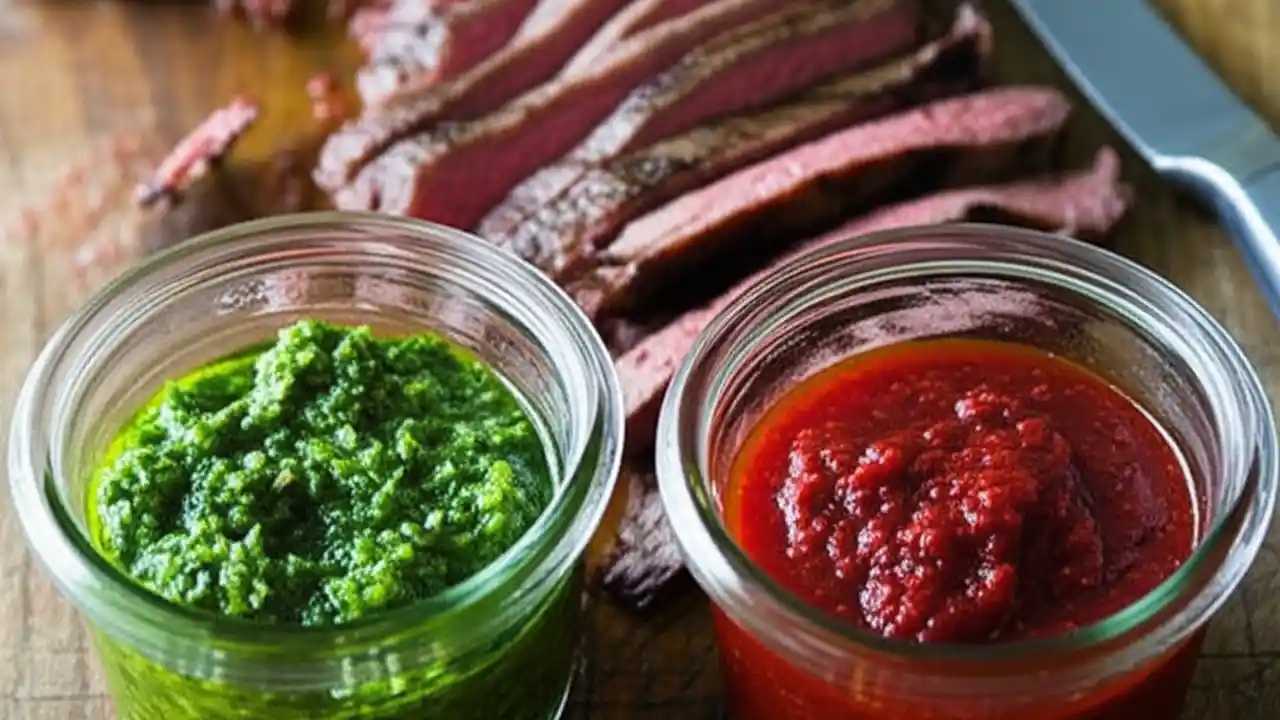
The Irresistible Allure of Chimichurri: A Tale of Two Sauces
Few sauces capture the essence of Argentinian culinary passion quite like chimichurri. More than just a condiment, it's a vibrant symphony of fresh flavors, capable of transforming any dish from ordinary to extraordinary. When you think of a classic chimichurri recipe, a bright green, herb-packed concoction often comes to mind. But what if we told you there’s a sophisticated, smoky relative that offers an entirely different, yet equally captivating, experience? Join us as we explore the dynamic contrast between the classic green chimichurri and its intriguing smoky counterpart, helping you discover which Argentinian sauce is destined for your plate.
The Heart of Argentinian Flavor: What is Chimichurri?
At its core, chimichurri is an uncooked sauce used both as an ingredient in cooking and as a table condiment for grilled meat. Originating in Argentina, it's a staple that embodies the simple yet profound flavors of South American cuisine. Traditionally, it's known for its herbaceous punch, acidity, and a subtle warmth from chili. But like all great culinary traditions, chimichurri is open to interpretation and innovation.
Classic Green Chimichurri: Bright & Zesty
The quintessential Argentinian chimichurri, often referred to as chimichurri verde, is a celebration of fresh herbs and bright acidity. It’s the sauce that has graced countless steaks, empanadas, and grilled vegetables, leaving a memorable impression of zest and freshness.
- Key Ingredients: A classic chimichurri recipe typically features finely chopped fresh parsley, often complemented by oregano. The pungent kick comes from minced garlic, while red pepper flakes provide a gentle heat. Red wine vinegar is the acid of choice, balancing the richness of olive oil, and of course, salt and black pepper season it to perfection.
- Flavor Profile: Imagine a burst of verdant freshness, followed by the sharp, invigorating tang of vinegar and the aromatic warmth of garlic. It’s lively, piquant, and has a clean finish that cuts beautifully through rich, fatty meats. The texture is usually rustic, with distinct pieces of herbs, though some prefer a smoother blend from a food processor.
- Typical Uses: Its invigorating character makes it a perfect accompaniment to grilled steak, chicken, fish, and even roasted vegetables or tofu. It can also serve as a marinade, infusing protein with its vibrant flavors before cooking, and a final drizzle before serving to provide that bright, fresh finish.
Smoky Burnt Spring Onion Chimichurri: Depth & Intrigue
While the classic holds a revered place, culinary innovation constantly pushes boundaries. Enter the smoky burnt spring onion chimichurri, a brilliant twist that adds layers of complexity and an unexpected depth of flavor. This version takes a common vegetable and transforms it into a smoky star.
- Key Ingredients: The star of this show is undoubtedly the burnt spring onion. Unlike its raw counterpart, these onions undergo a charring process that mellows their pungency and infuses them with a deep, smoky sweetness. Parsley and finely chopped rosemary sprigs join the party, alongside a bright squeeze of lime juice, apple cider vinegar, chili flakes, extra virgin olive oil, sea salt, and black pepper. Notably, traditional garlic is often omitted here, allowing the burnt onion to shine.
- Flavor Profile: This chimichurri offers a completely different experience. The initial impression is a profound smokiness, followed by a subtle sweetness and a mild, rounded onion kick. The tartness from lime and apple cider vinegar provides balance, while the rosemary adds an earthy, piney aroma. It’s a sophisticated sauce that adds a unique layer of depth, particularly excellent at cutting through richness without overpowering it. Find a detailed Smoky Burnt Spring Onion Chimichurri recipe for this specific variant.
- Typical Uses: Its robust, smoky character makes it an ideal companion for anything a bit fatty – think succulent steaks, pork belly, lamb, or even rich omelets, tacos, and savory pies. The smokiness complements grilled foods exceptionally well, and it truly elevates dishes that crave a touch of earthy intrigue.
Crafting Your Chimichurri: Key Ingredients and Techniques
The beauty of any chimichurri recipe lies in its simplicity, yet thoughtful execution can elevate it from good to extraordinary. Understanding the nuances of ingredients and preparation is key.
The Art of the Onion: Raw vs. Burnt
The most striking difference between these two chimichurri varieties lies in the onion component. Classic green chimichurri relies on raw garlic for its sharp, pungent, and aromatic kick. This directness contributes significantly to the sauce's bright and zesty profile.
The smoky version, however, embraces the magic of burnt spring onions. This isn't just about charring; it's a culinary transformation. By burning the outer layer (either directly over a gas flame or roasted in the oven with a little olive oil), the spring onions undergo the Maillard reaction, developing complex flavors, sugars caramelize, and the strong allium pungency mellows into a sweet, earthy, and undeniably smoky essence. Once cooled, the burnt outer layer is peeled away, revealing the tender, smoky core. This process provides a subtle onion flavor that acts as a fantastic counterpoint to the acidity, without the sharpness of raw garlic. Furthermore, spring onions are often overlooked but are a great source of folate and vitamin C, making this a healthy and mood-boosting addition to your meal.
Vinegar Varieties: Red Wine vs. Apple Cider & Lime
Acidity is crucial for chimichurri, providing balance and brightness. Classic chimichurri almost exclusively uses red wine vinegar, which imparts a fruity, slightly robust acidity that pairs perfectly with its herbaceousness. The smoky version, on the other hand, opts for a combination of apple cider vinegar and fresh lime juice. Apple cider vinegar contributes a softer, fruitier acidity with its own subtle complexity, while lime juice adds a vibrant, citrusy tang that harmonizes beautifully with the smokiness of the onions and the freshness of the herbs.
Herbs and Blending
Both sauces feature a generous amount of fresh parsley. Classic chimichurri sometimes includes oregano, enhancing its traditional savory profile. The smoky version, however, introduces rosemary, which adds a fragrant, almost resinous note that complements the deep, earthy flavors of the burnt spring onion exceptionally well. When it comes to preparation, while a food processor can certainly speed things up, finely chopping the herbs by hand for either chimichurri recipe can yield a more fragrant sauce with a more desirable rustic texture. This allows the individual flavors to stand out more distinctly.
Beyond the Plate: Pairing and Versatility
Both classic green and smoky chimichurri are incredibly versatile, offering unique applications that extend far beyond just drizzling over steak. Understanding their individual strengths allows you to maximize their potential in your kitchen.
Pairing Principles: Match Intensity with Intensity
- Classic Green Chimichurri: Its bright, zesty profile makes it ideal for cutting through the richness of grilled red meats like steak or lamb. It also shines with lighter proteins such as grilled chicken, white fish, shrimp, or even as a vibrant dressing for roasted vegetables (asparagus, bell peppers) or hearty salads. Try marinating boneless chicken pieces in classic chimichurri before grilling or roasting for intensified flavor. Serve it alongside fluffy white rice, crusty bread, or creamy potatoes for a complete meal.
- Smoky Burnt Spring Onion Chimichurri: This sauce truly excels with dishes that benefit from an added layer of depth and earthiness. It’s a match made in heaven for fattier cuts of meat like ribeye, pork shoulder, lamb chops, or even duck. Its ability to "cut through fat and acid with a mild onion kick" makes it incredibly effective. Don't limit it to just proteins; consider adding it to hearty vegetarian dishes, savory tarts, or even as a unique topping for burgers.
Storage and Freshness
Both types of chimichurri benefit from a little time for the flavors to meld. They can be stored in a closed container in the fridge for at least 3 days. Some even argue that the flavors improve slightly on the second day for classic chimichurri. For the smoky version, allowing it to cool completely in a covered dish after preparing the onions is crucial for tenderizing and enhancing that smoky essence before mixing.
The Verdict: Which Chimichurri Recipe is Right for You?
Ultimately, the choice between classic green chimichurri and its smoky counterpart comes down to personal preference and the dish you're preparing. Are you craving a burst of fresh, herbaceous zest that invigorates the palate? Then the classic green chimichurri recipe is your go-to. Its bright acidity and garlic punch are unbeatable for lifting heavier meals.
However, if you're seeking something with more complexity, a deeper flavor profile, and a unique smoky intrigue, the burnt spring onion chimichurri is an absolute must-try. It provides a sophisticated counterpoint, especially to richer, fattier foods, adding a layer of depth that will surprise and delight your taste buds. It’s a testament to how simple ingredients, when handled with intention, can create something truly extraordinary. For those eager to delve into this specific variant, exploring a dedicated Smoky Burnt Spring Onion Chimichurri recipe is highly recommended.
Conclusion
Whether you lean towards the vibrant freshness of classic green chimichurri or the intriguing depth of its smoky cousin, both versions offer an incredible journey into the heart of Argentinian flavor. Experiment with different ingredients, adjust spice levels, and most importantly, enjoy the process of bringing these delicious sauces to life. Whichever chimichurri recipe you choose, you're guaranteed to elevate your meals and impress your guests with a taste of authentic South American culinary artistry. Bon appétit!
